- Solar hydronic heating offsets 50–80% of annual heating and 60–90% of hot-water demand in Australian conditions.
- Typical payback is 6–10 years; STCs can reduce the price of a registered solar water heater, though their value declines each year to 2030.
- Best results come from pairing solar thermal with a heat pump or gas backup and a well-sized thermal store.
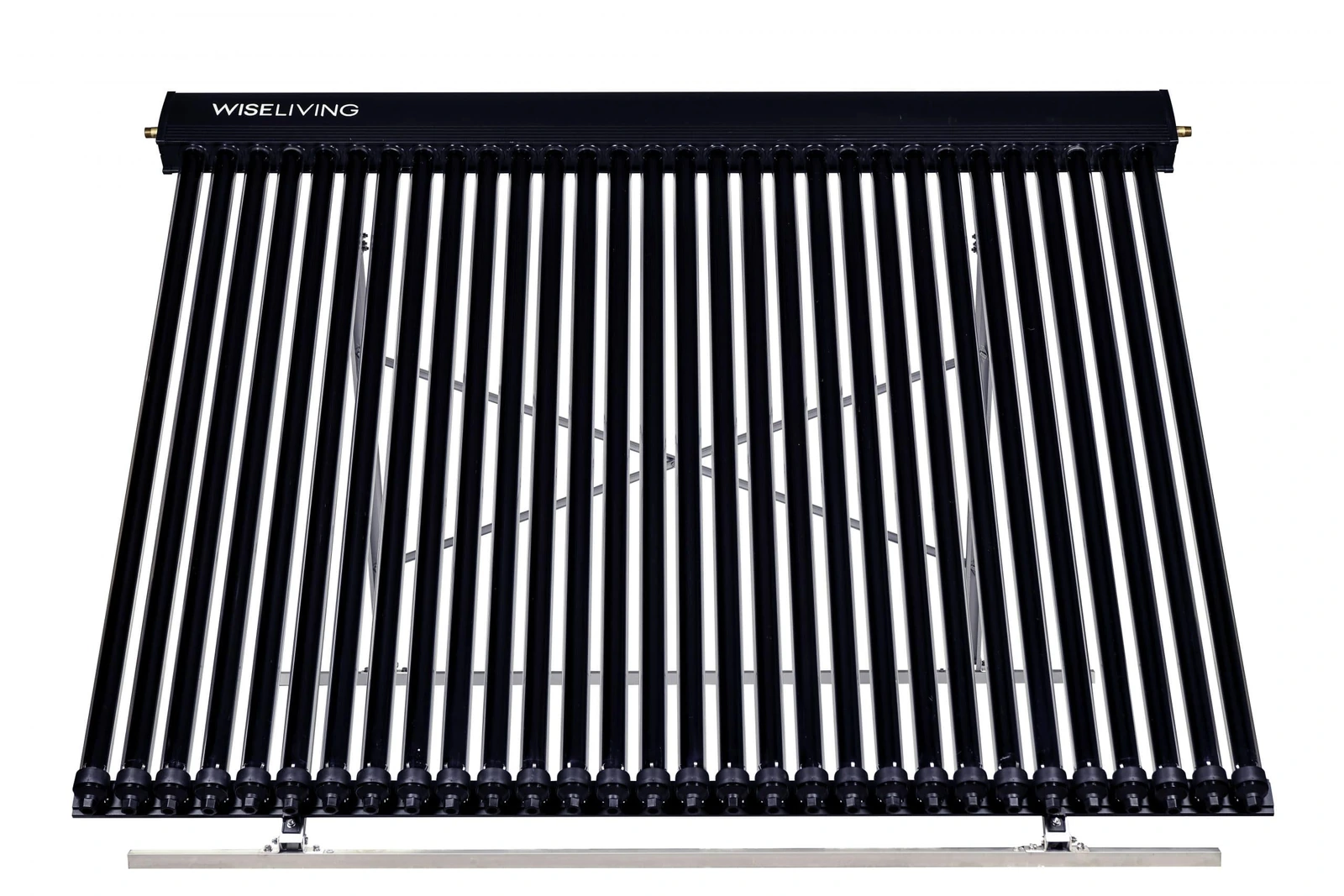
Solar hydronic heating (solar thermal) is different from rooftop solar PV. Where PV generates electricity, solar-thermal collectors heat a glycol-water fluid directly inside the tubes — and that hot fluid feeds your hot-water cylinder, your radiators and your underfloor loops. It is the most efficient way to put Australian sun into the comfort layer of a home, and AHHAC designs it as part of a complete solar hydronic heating system with the right backup and storage.
What ROI can you actually expect?
In Australian conditions a properly sized array offsets 50–80% of annual hydronic heating demand and 60–90% of hot-water demand. Once installed, the energy itself is free — the only running cost is a small circulation pump. Typical numbers for a family home:
- Install cost: $6,000–$14,000 depending on collector type and array size
- STC rebate: available on registered solar water heaters — value varies by model, postcode and year (we handle the paperwork)
- Payback: 6–10 years, then 20+ years of near-free heat
- Collector life: 20–30 years with minimal maintenance
Sizing the collectors and thermal store
Two numbers decide a solar hydronic system: collector area and thermal-store volume. As a rule of thumb, allow 4–6 m² of evacuated-tube collector for hot water alone, and 8–20 m² where the array also contributes to space heating. The collectors feed an insulated thermal store (typically 300–500 L for a family home) that buffers heat across cloudy stretches and overnight. Undersize the store and you waste collector output on sunny days; oversize it and the backup works harder. AHHAC sizes both to your roof orientation, household size and heating load.
Why solar needs a smart backup
Solar thermal is a contributor, not a sole heat source — Australian winters still have cloudy weeks. The best results come from pairing the array with a backup that only runs when the store runs low:
- Solar + heat pump: the lowest-carbon, lowest-running-cost pairing. The thermal store is topped up by a hydronic heat pump when solar is short, and the heat pump also handles summer cooling.
- Solar + gas boiler: a condensing gas boiler provides fast, high-temperature backup — a good fit where gas is already connected.
- Solar + wood/pellet: for off-grid and rural sites, a hydronic wood or pellet burner can carry the winter load.
Is solar hydronic right for your 2026 build?
Solar hydronic is a strong fit if you have good north-facing roof area, a household of three or more, and you are building or renovating (so the thermal store and pipework can be designed in). It is less compelling for small apartments or heavily shaded roofs, where a heat pump on its own is usually the better spend. For a new Melbourne or Sydney build chasing a high energy rating, solar thermal plus a heat pump is one of the lowest-carbon comfort systems available — and AHHAC will model the ROI for your specific roof before you commit.