★★★★★
"AHHAC delivered our 22-zone underfloor system on time, on budget and to spec. The crew were tidy, the documentation was thorough, and the commissioning was textbook."
David Chen
Custom Builder · Mosman, NSW
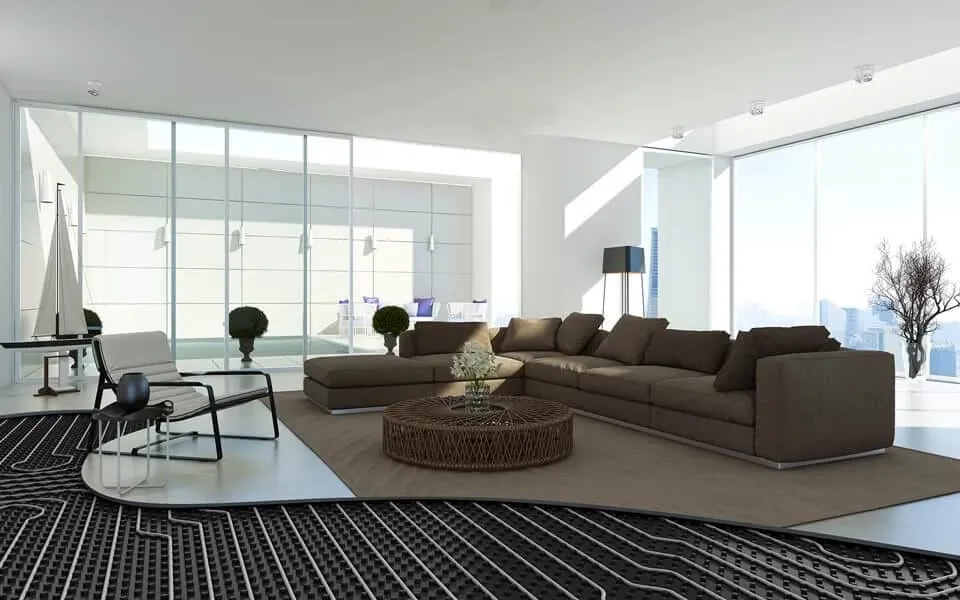
Hydronic wood stoves and pellet burners with back-boiler integration — warm one room visually AND drive whole-home hydronic heating. Off-grid friendly, increasingly popular for rural Australian builds, architectural homes and Blue Mountains lifestyle properties.
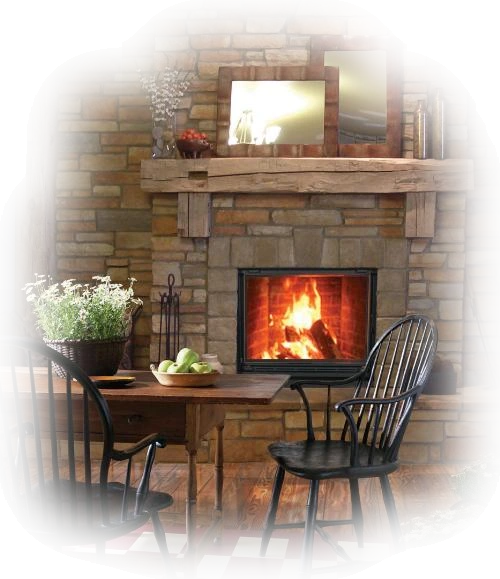
A wood or pellet burner doesn't have to just heat one room. Modern hydronic burner units use a back-boiler to heat water, which then circulates through your hydronic network — feeding underfloor, radiators or whatever emitters you've specified.
It's the perfect solution for rural builds, off-grid cabins, or anyone who wants the romance of a real fire combined with the practicality of whole-home heating.
Manual log burners require you to feed and stoke the fire — a satisfying ritual for some, a chore for others. They produce 6–12 kW typically, with 60–75% net efficiency.
Pellet boilers are fully automatic — the pellet hopper auger-feeds the burner on thermostat demand. Higher up-front cost but you get gas-boiler convenience with biomass economics.
Yes — a hydronic wood burner with a back-boiler captures heat from the firebox and circulates it through your hydronic network to radiators, underfloor or skirting heating throughout the house. Output range is typically 6–25 kW depending on the unit.
Logs need manual loading (a satisfying ritual for some, a chore for others); pellets auto-feed from a hopper for boiler-like convenience. Pellet boilers cost more up-front but run more like gas with biomass economics. Both work brilliantly in rural and off-grid builds.
Modern hydronic wood/pellet units run at 70–92% efficiency and burn renewable biomass — significantly lower lifecycle carbon than gas. AS/NZS 2918 emissions compliance means they meet Australian air quality standards.
"AHHAC delivered our 22-zone underfloor system on time, on budget and to spec. The crew were tidy, the documentation was thorough, and the commissioning was textbook."
"We've worked with AHHAC for 17 years. They've installed and serviced our hot water plant across three commercial buildings — and they pick up the phone on weekends."
"Three mobs quoted us; AHHAC's design was the only one based on a proper heat-loss calculation. The system runs beautifully — the others would've been oversized and expensive."