- Almost any existing home can be retrofitted — the question is which emitter, not whether.
- Radiators are the easiest retrofit (no floor works, 1–3 days); in-screed underfloor suits new floors.
- A heat pump is usually the best retrofit heat source — all-electric, low running cost, adds cooling.
- Everything starts with a room-by-room heat-loss calculation — never a rule of thumb.
Can you really retrofit hydronic into an existing home?
Yes — and it's one of the most common jobs we do. The myth that hydronic is "only for new builds" comes from thinking of in-slab underfloor, which does need an open slab. But hydronic is a family of emitters, and several of them are purpose-made for retrofit. The real question is never whether you can retrofit hydronic into your existing home, but which emitter suits it — and that's what this guide walks through. AHHAC retrofits hydronic into terraces, apartments, brick homes, weatherboards and heritage houses across Sydney, Melbourne, Canberra and Queensland.
Step 1 — the heat-loss assessment
Every good retrofit starts here. A room-by-room heat-loss calculation, done to your local design temperature, tells us exactly how much heat each room needs — which drives emitter sizing and heat-source selection. Skipping it is the single most expensive mistake in the industry: guess the numbers and you end up with rooms that never warm up or a heat source that short-cycles. Our guide to mistakes to avoid explains why we refuse to quote without one. In a retrofit the calculation also flags where insulation upgrades will pay for themselves before you spend on plant.
Step 2 — choosing the emitter for a retrofit
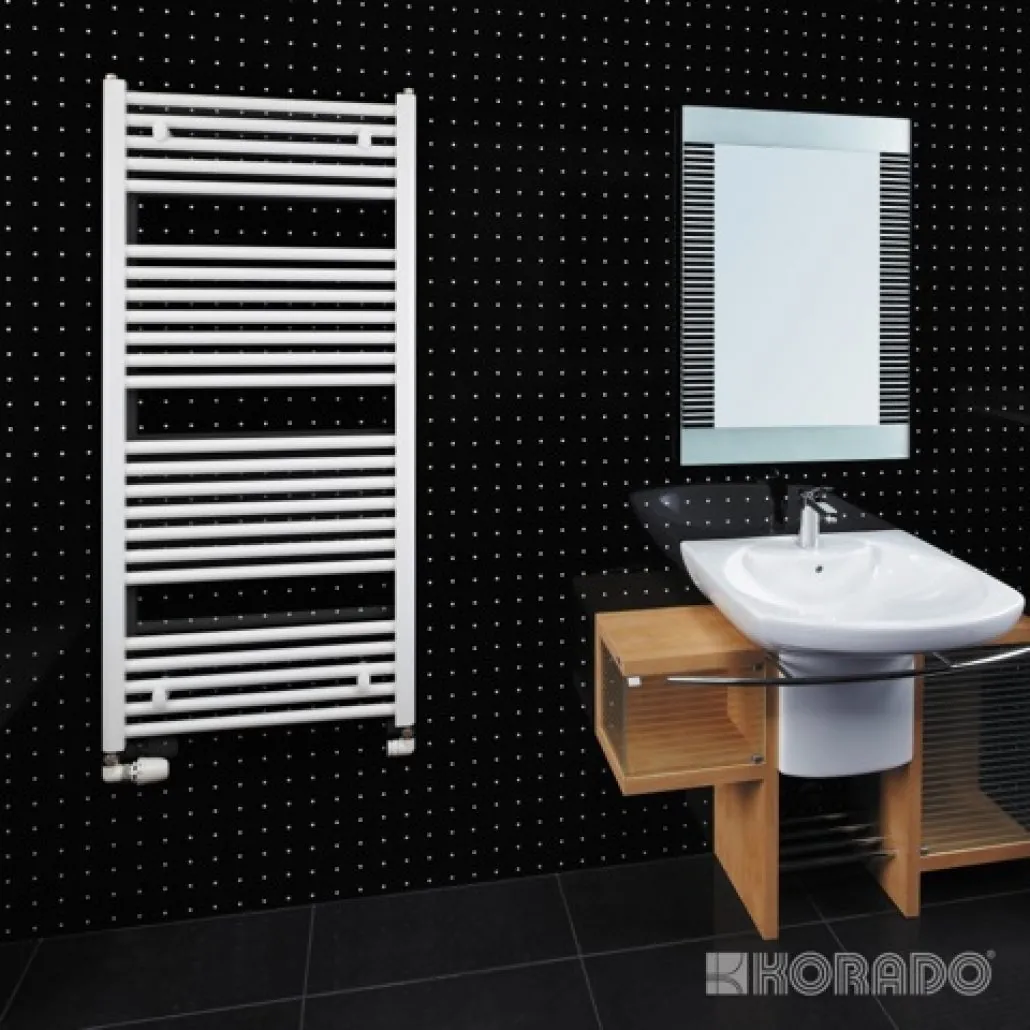
This is the key retrofit decision. Hydronic radiators are the retrofit champion: wall-mounted panels fed by a manifold-and-home-run pipe layout, installed in one to three days with no floor works, warming each room in 15–25 minutes. In-screed underfloor is the other option — a low-profile 12 mm pipe in a 30–35 mm screed — but it raises the floor height and only makes sense where you're replacing floors anyway. Many retrofits blend the two: underfloor in a renovated wet area or extension, radiators everywhere else. Our full comparison of underfloor heating vs radiators weighs them in detail.
Step 3 — choosing the heat source
For most retrofits, an all-electric hydronic heat pump is the best heat source: lowest running cost, pairs with solar, adds summer cooling, and needs no flue or gas connection — handy in a home without mains gas. Where gas is already connected and you want fast, high-temperature output for existing radiators, a condensing gas boiler is a valid, lower-capital choice; an electric boiler suits tight apartments with no room for a heat pump. We compare the options in our guides to electric boiler vs heat pump and, for cold-climate running costs, Canberra running costs.
Step 4 — routing pipework through an existing home
The craft of a retrofit is running pipe neatly through a house that's already built. We use a manifold-and-home-run layout: a central manifold with single continuous pipes to each emitter, so there are no joins buried in walls. Pipes route through cupboards, along the subfloor, through the roof space or in slim boxed runs, chosen to minimise disruption and keep everything accessible. In double-storey homes we plan riser locations early. Good routing is what makes a retrofit look like it was always there — and it's where an experienced installer earns their fee.
Step 5 — disruption, timeline and living through it
A radiator retrofit is remarkably low-impact: for an average home, one to three days of work, room by room, with the home fully liveable throughout. In-screed underfloor is more involved — floors come up, screed goes down and cures, then flooring is relaid — so it's usually done as part of a wider renovation rather than on its own. Either way, we stage the work so you're never without heat for long, and we protect finishes as we go. Most clients are surprised how quickly a radiator retrofit transforms a cold home.
What a hydronic retrofit costs
Retrofit cost depends on the emitter, the heat source and the size of the home. As a guide, a full-home radiator retrofit with a heat pump typically runs $18,000–$35,000; an in-screed underfloor retrofit is higher because of the floor works. Radiators keep labour and disruption down, which is why they dominate retrofits. Rebates can help — federal STCs and state schemes apply to heat pumps — and we confirm current eligibility at quote stage. For the full pricing picture see our hydronic heating cost guide.
Common retrofit mistakes to avoid
Three mistakes sink retrofits. First, skipping the heat-loss calculation — the root of most underperforming systems. Second, under-sizing radiators to save money, which forces a high flow temperature and wrecks heat-pump efficiency. Third, choosing the wrong emitter for the home — trying to force in-slab underfloor into a finished house, or putting slow-response underfloor in rooms that need fast heat. Get the assessment right, size generously, and match the emitter to how you live, and a hydronic retrofit delivers new-build comfort in an existing home. Talk to us via our Sydney, Melbourne or Canberra pages, or the hydronic heating and cooling hub.